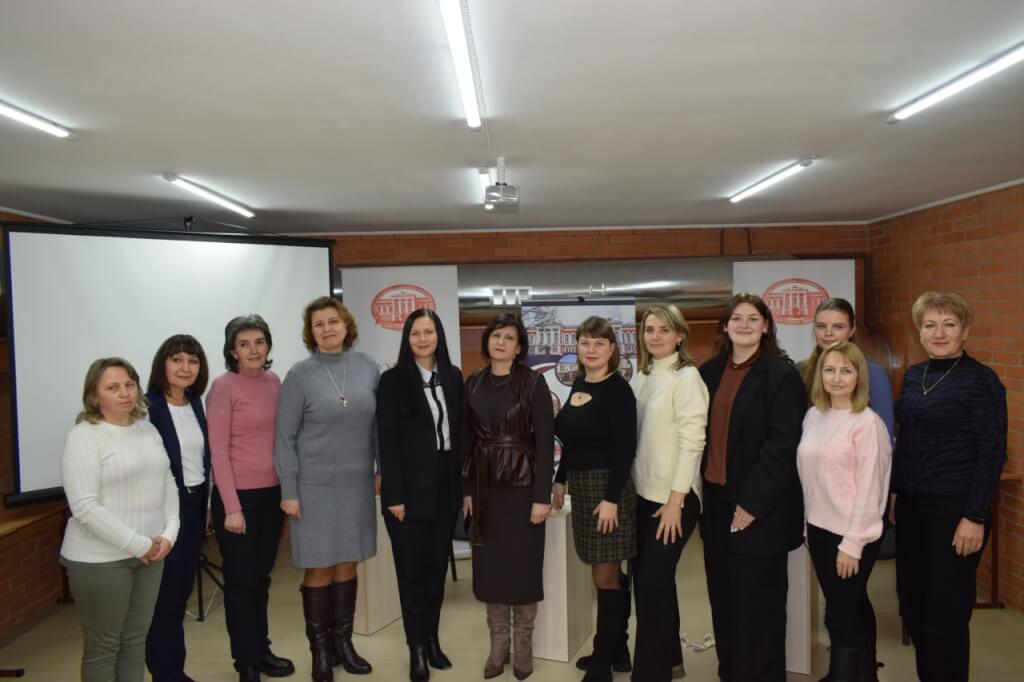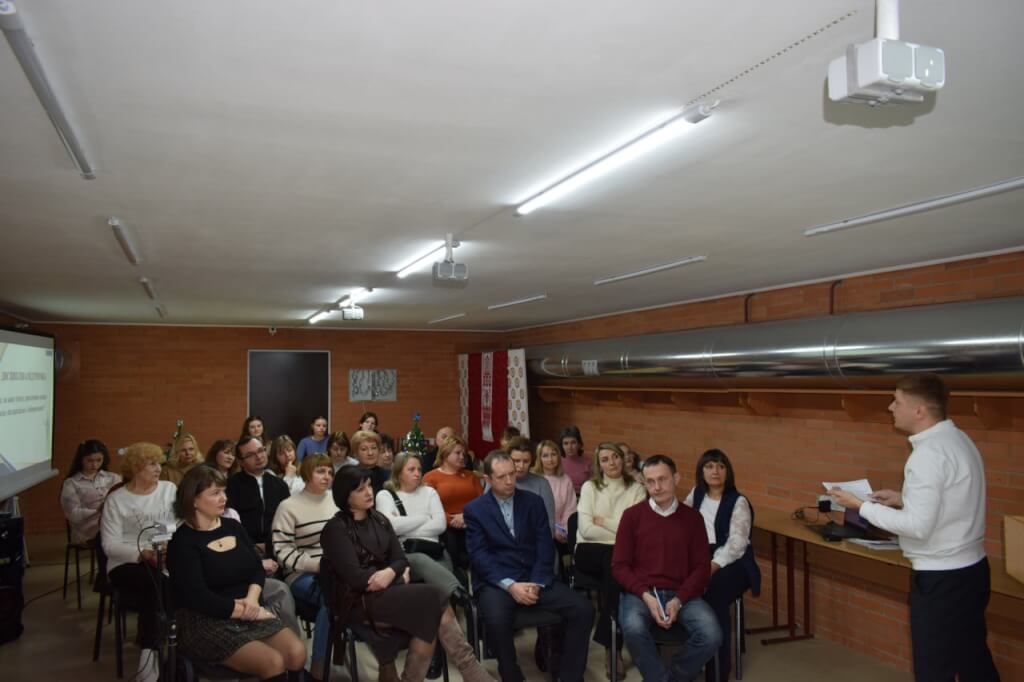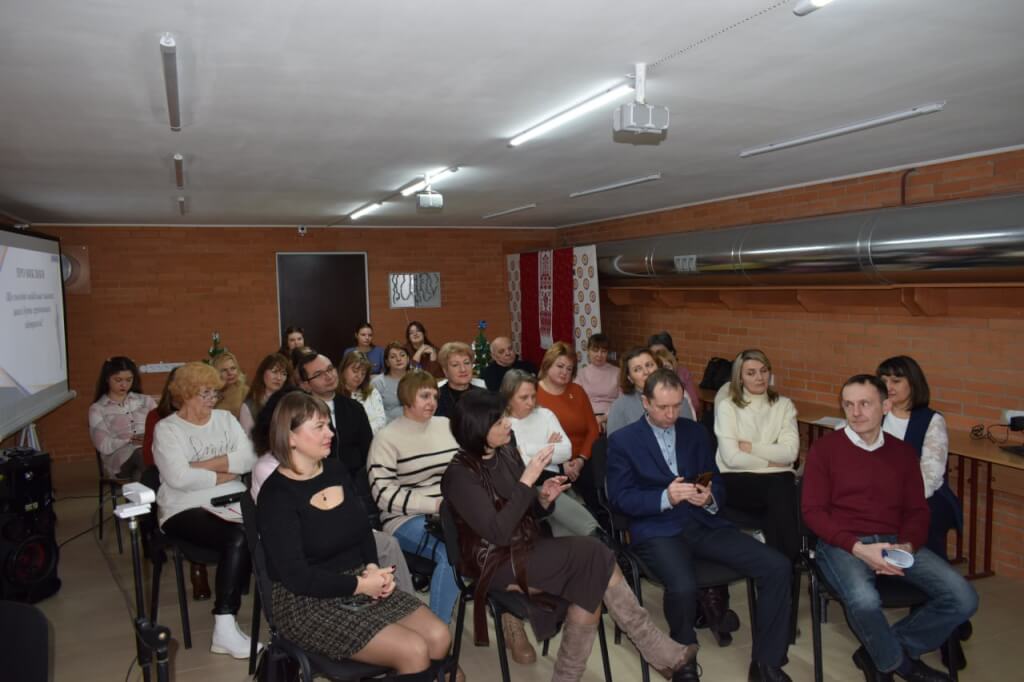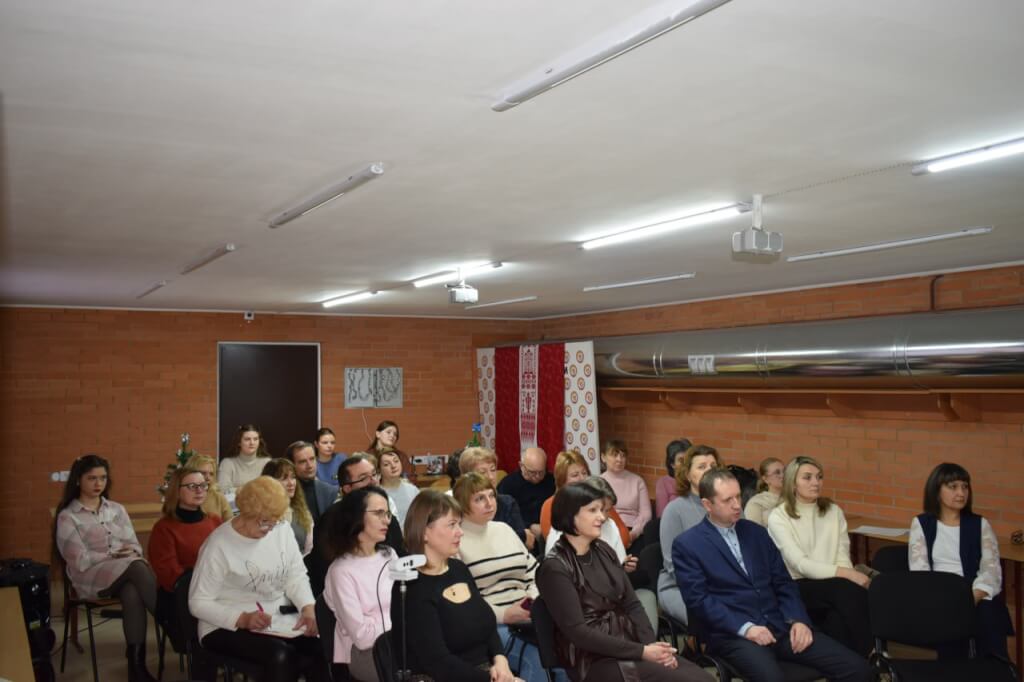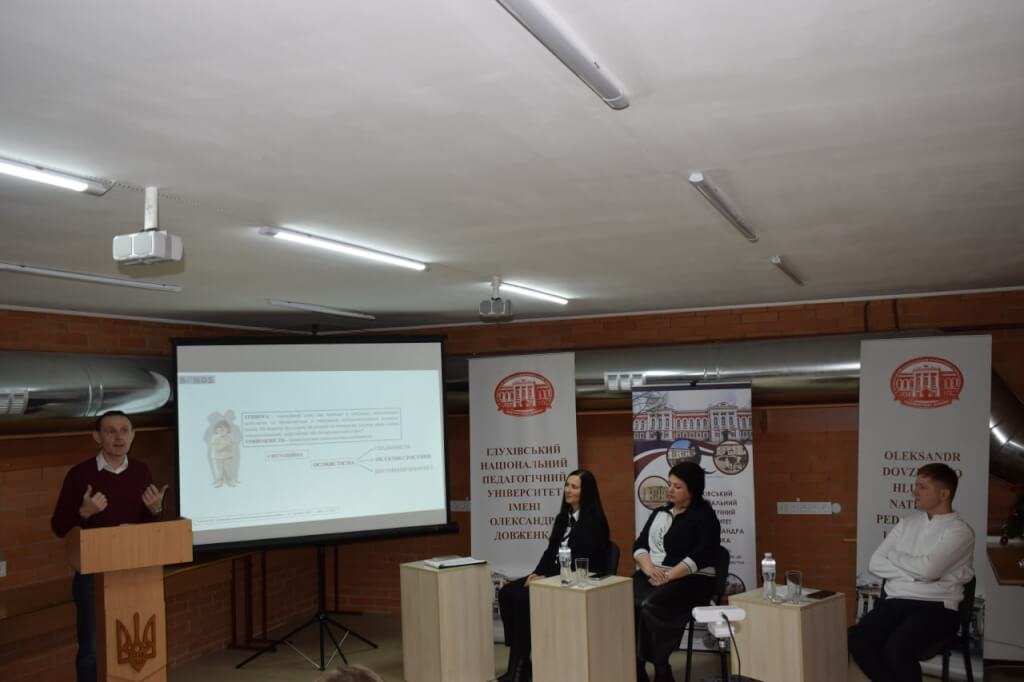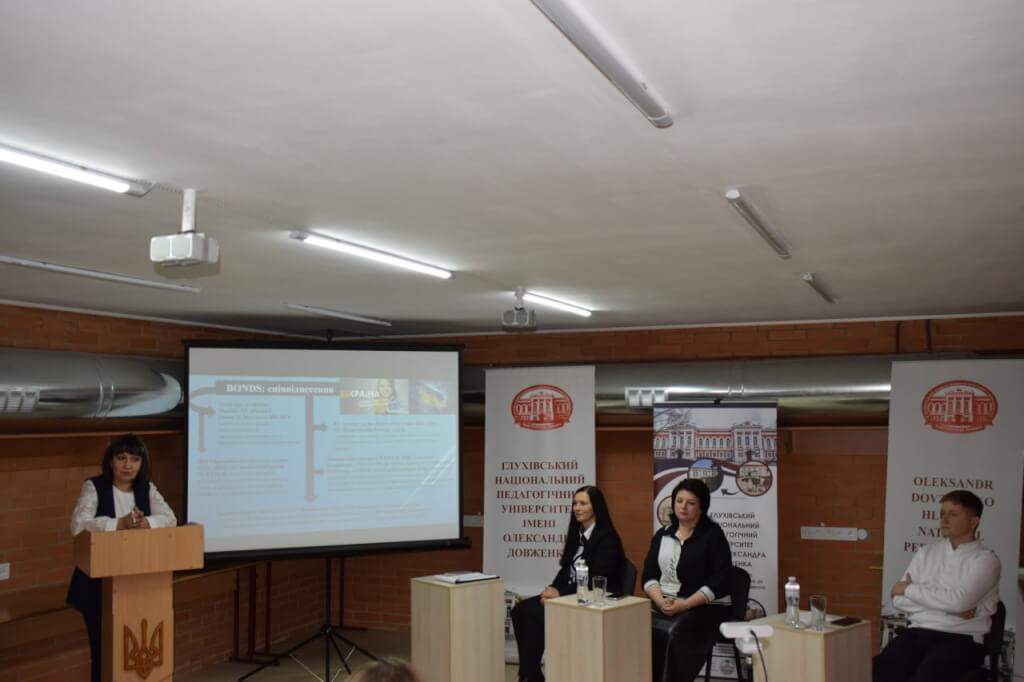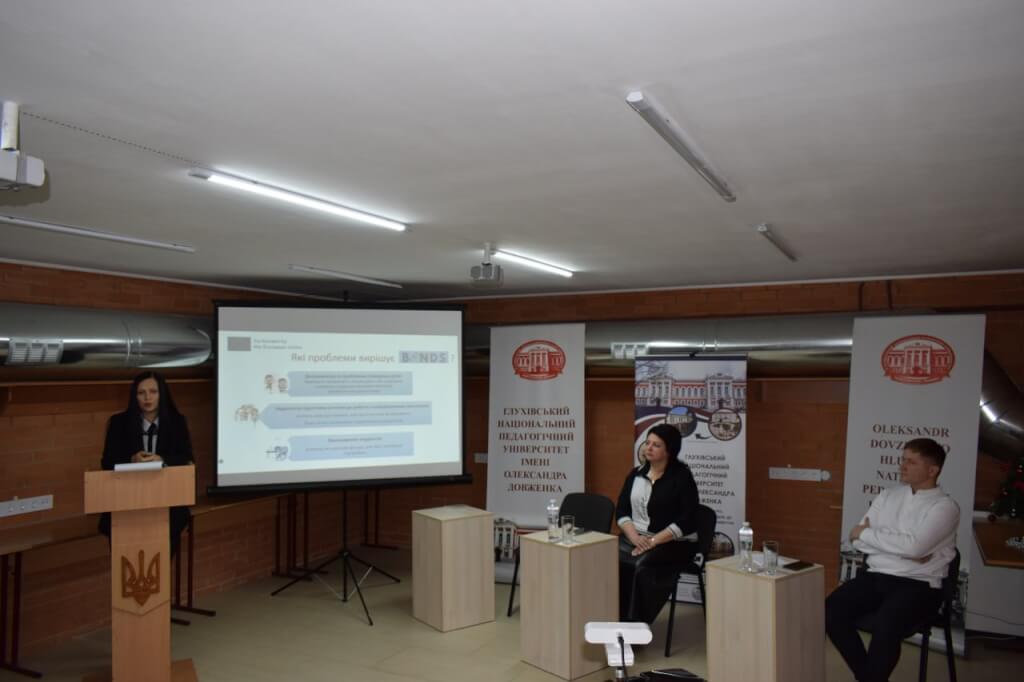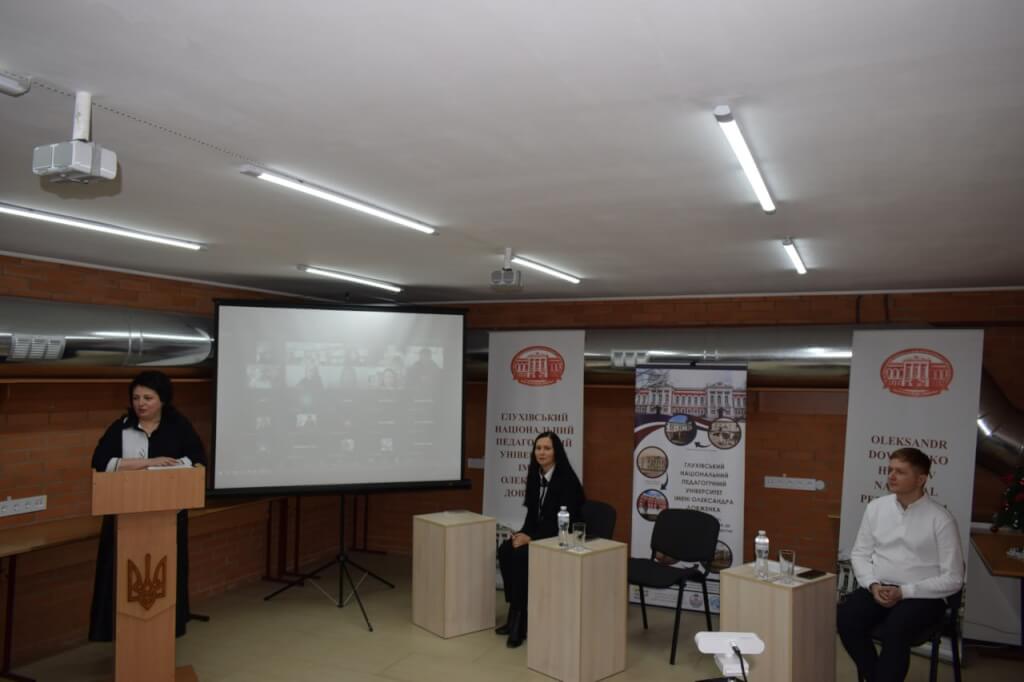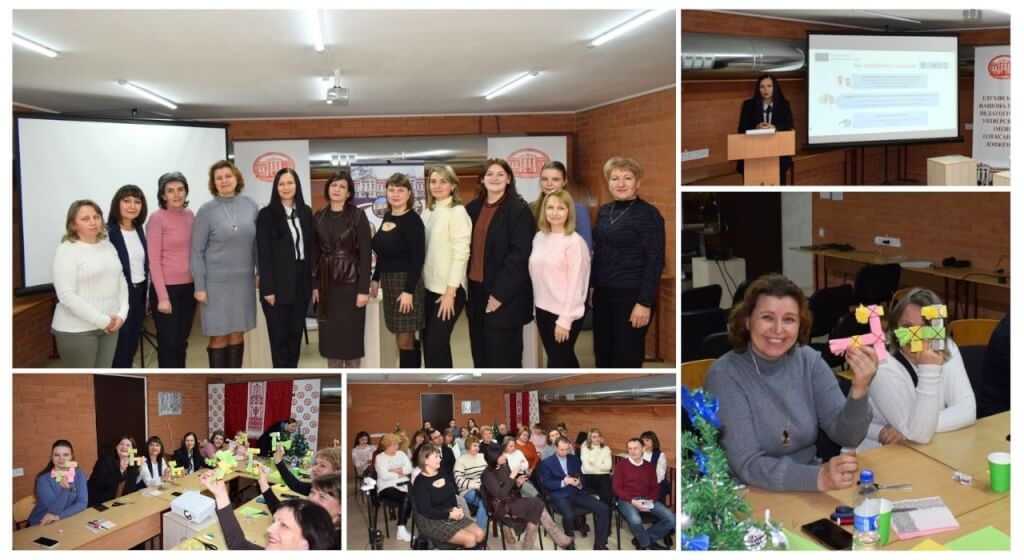
On January 8, a public presentation of the international Erasmus+ project took place at Oleksandr Dovzhenko Hlukhiv National Pedagogical University “BONDS – Building Resilient Skills for the Prevention and Management of Delinquent Behaviour in Schools”.
The event was held in a blended format and brought together primary school teachers, psychologists, heads of general secondary education institutions, education administrators, students of pedagogical and psychological programmes, as well as university academic staff.
The BONDS project is implemented by an international consortium of partners from Cyprus, Ukraine, Spain, Portugal, Greece, and Romania, with the support of the European Union’s Erasmus+ programme. The project aims to develop resilient social and emotional skills, as well as to prevent and effectively manage problem behaviour in primary schools.
The participants of the public presentation were welcomed by the First Vice-Rector of Oleksandr Dovzhenko Hlukhiv National Pedagogical University, M. V. Khrolenko, who emphasized the role of higher education institutions as agents of educational change, the importance of Ukrainian universities’ participation in Erasmus+ programmes, and the significance of international cooperation as a source of educational resilience in times of war.
Within the framework of the presentation, the project coordinator, N. M. Tkachenko, introduced the idea, values, and tools of BONDS, highlighting child well-being, professional support for teachers, and the creation of a safe and responsive educational environment. Special attention was paid to the contribution of Hlukhiv University to the research component of the project, the piloting of methodologies in Ukrainian schools, and the training of future teachers and psychologists.
The academic coordinator of BONDS, T. F. Zenchenko, outlined the project’s place within the context of European and national educational reforms, drawing attention to its alignment with the LifeComp framework, social and emotional learning (SEL) approaches, and the principles of the New Ukrainian School. It was emphasized that BONDS is not a standalone initiative but is logically integrated into contemporary policies aimed at creating a safe, inclusive, and responsive educational environment.
The psychological segment of the presentation focused on child anxiety and problem behaviour as responses to chronic stress and traumatic experiences. In her presentation, psychologist Yu. V. Riabka emphasized that a child’s behaviour is a form of communication and a signal of their internal state, and that effective work with behaviour requires not only disciplinary measures, but above all an understanding of psychological mechanisms, emotional regulation, and support. These approaches form the foundation of the BONDS project tools.
An important part of the event was the panel discussion “ What should a supportive school be like?”, which featured the “voices of the school” – a teacher, a psychologist, parents, school administration, and a child. The participants reached a shared conclusion: a supportive school is a system of interaction in which behaviour is viewed as a signal, and where teachers also have the right to support. The discussion was moderated by project team member A. V. Sherudylo.
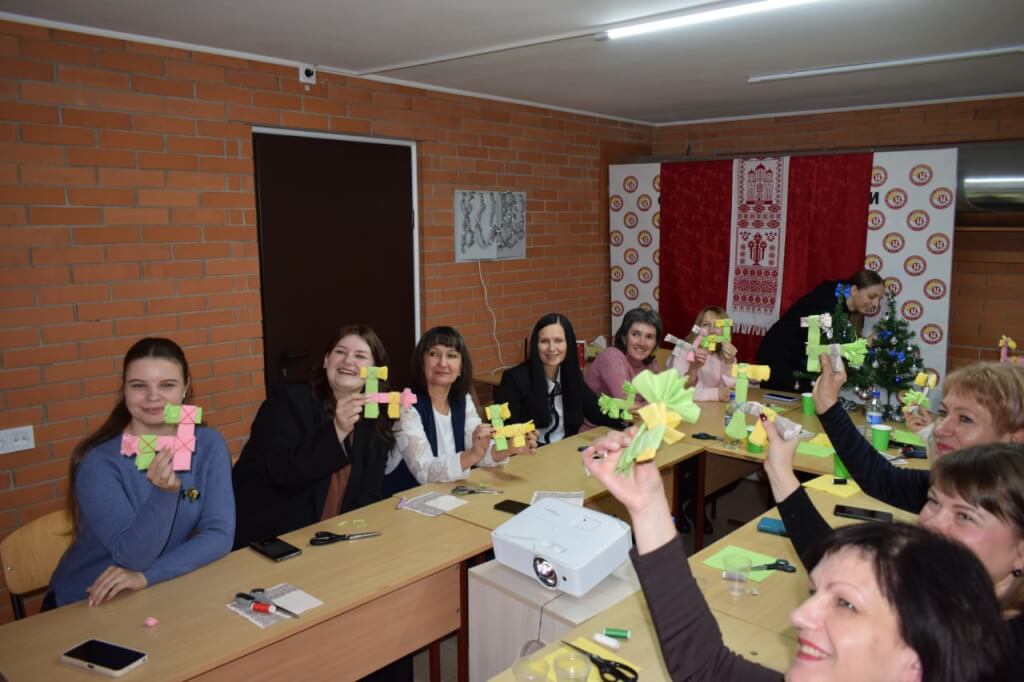
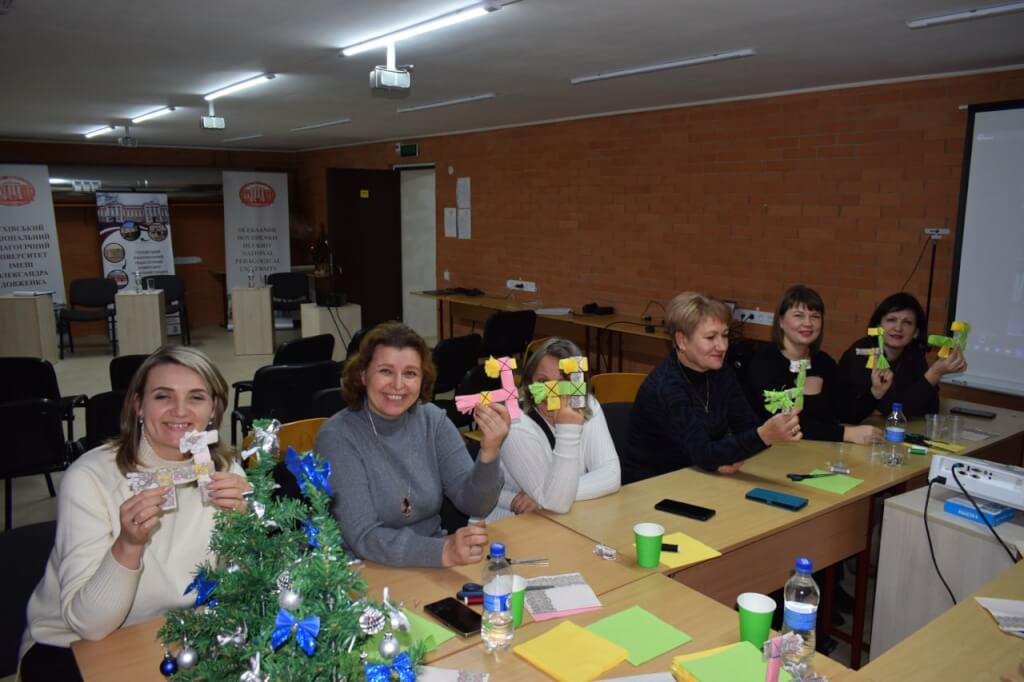
The event concluded with an engaging workshop with elements of art therapy led by psychologist and art therapist I. V. Poliluieva. During the workshop, participants experienced firsthand how simple creative practices can promote emotional regulation, resource recovery, and the creation of a safe space for interaction.
The presentation of the BONDS project became not only an introduction to a new international initiative, but also a space for professional dialogue, reflection, and a shared vision of a school that supports and inspires.
BONDS is about connections, support, and shared responsibility for the well-being of both children and teachers.
The work continues!